Revelation is an interesting book. As we saw in the last blog, the letter Revelation can really be summed up with an image of Jesus holding everything together. This is a vital picture for us to keep in mind because the original audience needed to be reminded that Jesus is still on the throne and that should be our focus.
One of the aspects of Revelation that is challenging to modern readers is all of the imagery and pictures. John, the Revelator, the author of the letter of Revelation, uses these picture images to help the readers visualize what God is up to. Keep in mind the picture from last time about Jesus holding everything together.
Another challenge we can easily miss is how out of the 404 verses of Revelation, 278 verses reference the Old Testament. In other words, revelation is not really about the distant future, but rather telling the story of God to the people of faith to help them stay strong in the faith as they undergo persecution. It’s about focusing everything we have on Jesus and trusting that he is the victor!
Even amid the persecution going on, the author of Revelation gives admonishment and encouragement to the followers of Jesus. That’s what chapters two and three are about. Jesus, through John, is revealing how the churches has either gone off course or have stayed true to their mission. In other words, Jesus says either the churches don’t love him anymore or they need to stay focused on what’s important.
As we think about what’s important, we should remember that everything we give attention to, everything we give worth to is what we will consider worthy. What this means is we worship what we deem worthy.
Now, I want you to think about the best times of worship you have experienced.
For me, I vividly recall, at least, three incredible times of worship.
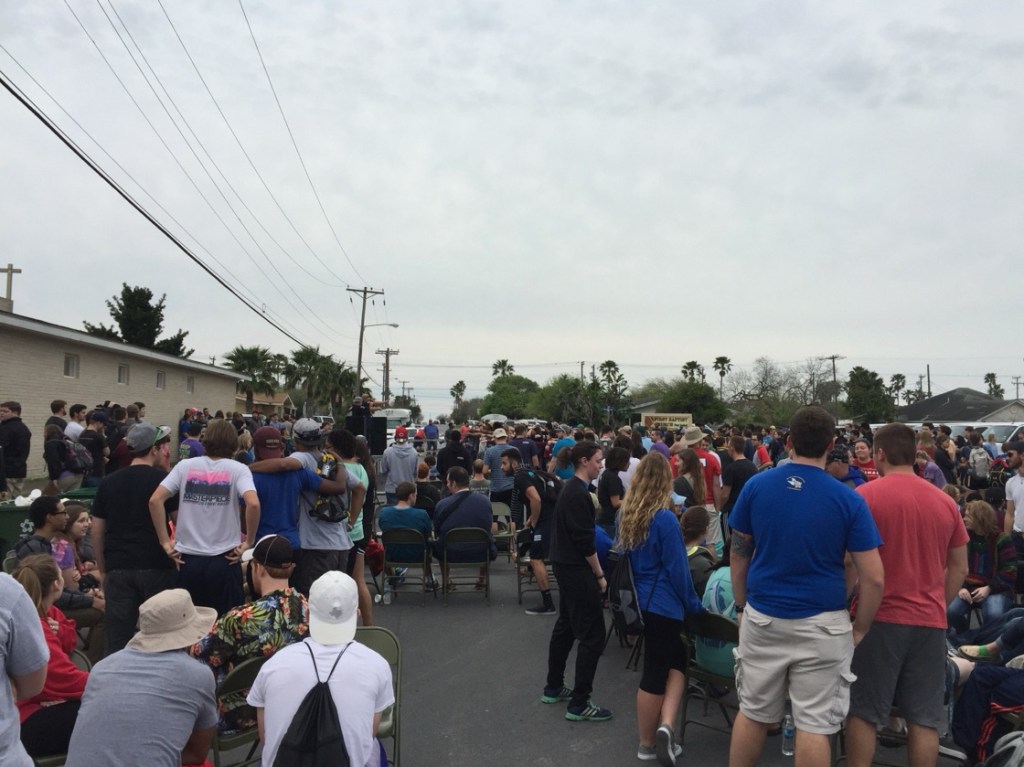
One is while participating in an evangelistic mission trip to called Beach Reach to witness to the people on Spring Break.
Another time is worshipping on the beach during youth summer camp.
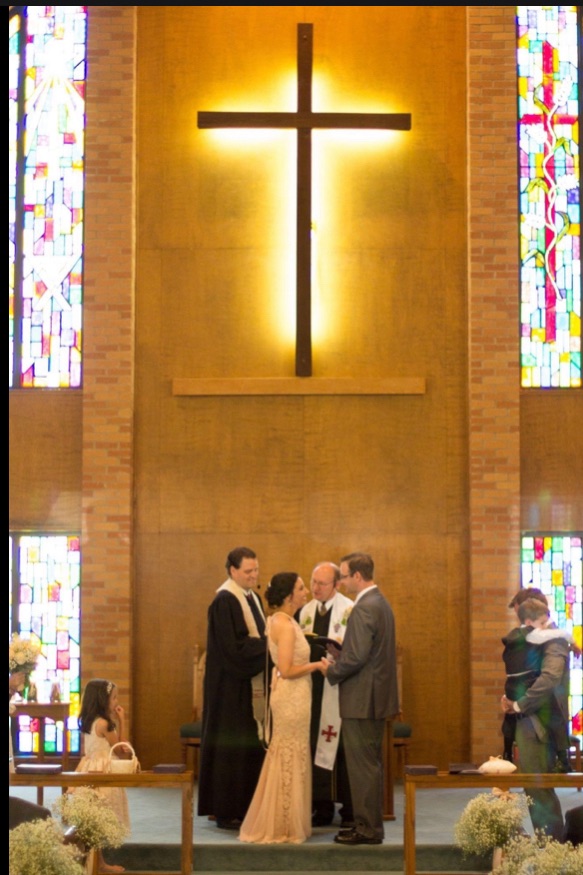
Another favorite time of worship was at my wife’s and my wedding.
These were some powerful times of worship when I was able to be fully present and focus only on Jesus.
What about you?
As you think about “favorite” times of worship, have we considered why these times are more prevalent than others? What set them apart?
Why is worship so important? Because worship prepares us to handle anything life throws at us. How? When we worship, we derive our strength and focus on and from Jesus. Jesus is the focal point.
Here is a picture of worship in Revelation chapters four and five.
Notice some important things: 1) Jesus is the focal point, he is the slaughtered lamb, and 2) worship has a ripple effect. Jesus is at the center, then it’s all creatures (human and animals) and then it’s the multitude of angels.
So what happens when we worship?
We can experience God’s presence and his power. Then, we respond with our whole being. Worship helps to put everything into perspective. The truth of the matter is that it is not about what makes us happy in this life, it is about what makes us Christlike, what makes us holy.
As you think about worship, when you are with a group of believers, see what happens when you intentionally focus on Jesus and not what the production is going on around you. Look at what you prioritize and consider your life and pleasing sacrifice to him as you seek to live with and for him (see Romans 12:1-2).
The biggest thing to keep in mind is worship reveals to us what we prioritize.
May we be willing to live lives prioritizing Jesus in all we do, say, and think.
Revelation is a fascinating book filled with vision, symbols, and numbers that are challenging to understand completely. Here’s the gist of the letter of Revelation—God ultimately wins!
Imagine how life could be if we focused on the victory of Christ Jesus rather than what’s wrong in the world. God will ultimately redeem and make everything right. He is working on his time, and it is the perfect time.
To help us better understand this concept, let’s look at Revelation 1:1-8. Take some time to read that passage, then look at these concepts about it.
CHRIST IS RISEN!
He has risen indeed.
Alleluia!
Amen.
Remember, as Christians, this is our victory cry. We always point to the victorious Christ who
defeated death and lives forever, and gives us this chance, too.
So when we talk about “beginning with the end,” we are referring to this. We are referring to Jesus’s ultimate victory over all evil and reigning eternally. So, the truth is we can always live with hope because of the victory of Jesus.
Worry, shame, anxiety, and even fear have zero place in the Christian life. We do not even find a source of hope in being greedy, putting others down, and always trying to be right. Why? Because as we read Revelation, we should have the picture that Jesus is the alpha and the omega, the
first and the last. “God wants the readers to be encouraged by knowing that God, who knows all things from the beginning to the end, is the absolute source of all creation and history.
Nothing lies outside him, just as no other letter of the Greek alphabet lay outside the Alpha and the Omega–God is in total control.”
To help illustrate this, draw a circle on your paper.
Now, write the name Jesus in the center of the circle. This seems right, doesn’t it? Jesus really is the center of everything.
But I want us to think about the circle a little differently:
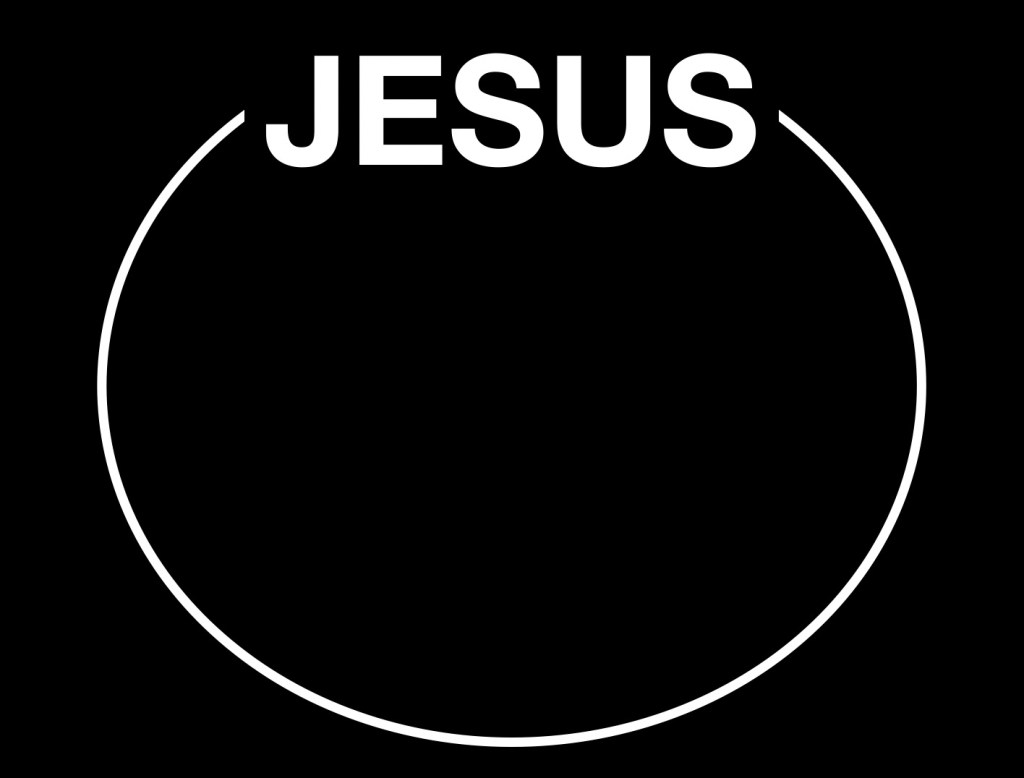
This time, write the name JESUS.
Now, from the S to the J, draw a line representing a circle.
And now, write your name in the center of the new circle.
This is what we think about when we read the Book of Revelation. We are held together in the safe grip of Jesus, who holds everything together.
With this picture in mind, let’s go through this passage.
One of the challenges with a book like Revelation is that we can miss its point because we immediately impose our thinking and interpretation based on our understanding.
For example, this is a letter written around AD90 that was distributed to seven actual churches.
Now, there were more churches than this, but it is very likely John, the author, sees these churches as representatives of the other Christian churches around at this time. What’s interesting is each one of the churches (located in what is now Turkey) was about a 2-3 day walking distance from each other and in a horseshoe pattern.
Even the name Revelation can be misunderstood. Our word revelation comes from the Greek word apocalypse, which means “unveiling” or “lifting off a veil.” The purpose is to reveal something not previously known. Jewish and Christian prophesy, at this time, was not just about “predicting the future.” It was also primarily a declaration of what God is doing in the present–it was a declaration of God’s perspective on the present life of God’s people.
God’s people were undergoing persecution and needed hope everything would be okay. They needed to be reminded God is still on the throne and is in control. They needed to know God was and is with them and were not alone. They needed to be reminded there is still hope
because of the risen Christ. John, the author, being exiled to the island of Patmos is evidence the governing authorities viewed John as a dangerous leader of the Christian sect.
The reality the Roman Christians lived with was the power of Rome, which seemed to show Christians were powerless; the Christians feared denunciation before Roman authorities. The Christians know about John’s banishment and vividly remember Jerusalem’s destruction.
This is why the letter of Revelation begins and ends with the words and presence of Christ. To show his people he is the one who will have ultimate victory. No one else is worthy to be worshipped, especially not the Roman emperor who demanded worship.
So, the main point of the letter of Revelation is not so much what will happen in the “end times.” The point of Revelation is to show “who is worthy of honor and worship.”
The greeting (Revelation 1:1-4), with the background we just discussed, is very powerful. This greeting was written in a typical New Testament way with the phrase “Grace and Peace.”
Let’s look at the word “grace.” The Greek word is charis, which means love functioning under adverse conditions. This is a gift we do not deserve. God is giving us his grace and presence so we can know and live in a relationship with him. So John begins his letter by saying, “Cheer up! God is in control despite the situation that’s going on that is caused by human rebellion.”
It doesn’t take much to see human rebellion is still going on. Some leaders are on a constant quest for power, attention, and living in incredible greed. But no matter what leaders try to impose on us, we must remember God is in control. Jesus is the victor, and we
get to live a life of victory no matter what happens around us.
Even when hope seems lost, Christ is still on the throne, and his presence is with us always because of the gift of the Holy Spirit given to us.
Because of this truth, we can live into the reality of who Jesus says we are:
We are loved
We are free from our sins because of his blood
We are a kingdom of priests to represent God in all of the world
We are servants of the One True God who desires our holiness (wholeness/completeness)
All of this matters because of who Jesus is.
He is the One who has always been and is and will always be
He is the faithful witness, meaning we can always trust him
He defeated death
He is the rightful ruler of all the world’s rulers
As we constantly say, knowing who Jesus is helps us better understand who we are and what our purpose is. And what is our purpose? To bring honor, glory, and power to him constantly.
How do we live this out?
In everything we do, we can find ways to give God credit and put attention on the greatness and grandness of God instead of keeping the focus on us and us alone.
As an example of this, think about the movie Chariots of Fire. It’s the story of a heroic, committed Christian from Scotland named Eric Liddell, who competed in the 1924 Olympics. Refusing to compromise his principles, Liddell would not run on Sunday, forfeiting his event of choice, the 100-meter race. During one scene, Eric’s sister, a dedicated believer, was upset that her brother was running competitively. She thought he was wasting a lot of time and should get into the ministry immediately. She reminded Eric that God made him for Himself. But Eric replied, “Aye, Jenny, I know. But He also made me fast. And when I run, I feel His pleasure.” (Source: Greg Laurie, oneplace.com)
Now, is this easy to do? It is if we remember that Jesus is Lord of all, holds everything together, is the source of all, and is coming back to demonstrate his rule over all.
Yes, Jesus is coming back. Why? Because he will be completing the task of redemption. He will be fixing everything and making all things right again. His judgment and justice will reign, and all people will witness this.
When we look up to the sky (the picture for something to look forward to), Jesus is coming back one day. When this happens, everyone will see and witness this happen. One day, ALL will know Jesus is King over ALL. This will cause mourning for ALL people.
Why? William Barclay, in his commentary on Revelation, points out:
1. People will realize they missed out on the chance to know Jesus as their Lord and Savior
2. People will be in grief because they did not completely submit their lives to him, so they
missed out on so much from him
3. People will be in grief over loved ones who missed out on knowing Jesus as Lord and Savior
So now the question we all have to ask is, how does our life reflect this truth of who Jesus is?
We go through difficult, challenging, unbearable circumstances, yet Jesus is still Lord.
We all do things people will praise us for, yet Jesus is still Lord.
Jesus is Lord. This is the end, the beginning, and the reality now.
As we live, we keep the end in mind because we trust in the victory of Jesus. We trust everything will end up as perfection and peace because Jesus is on the throne.
If we can keep this picture of Jesus as the beginning and the end in our minds and keep in our hearts, we will better be able to handle everything here and now because Jesus is on the throne, and we already know what will happen when he comes back.
So, no matter what comes to your life, always keep the “end of the book” in mind and live as people of hope.
What reminds you of the joy Jesus brings? What helps you to focus on Jesus?
Each month, I am privileged to take Communion to our Homebound people. As a pastor, Communion always means more each time I preside over the sacrament and each time I partake of the sacrament.
Something is different this month.
Division, politics, theological debates, and so much more, are no different than any other month. But none of this stops us from partaking the elements of Holy Communion. Communion brings us together with Jesus and each other.
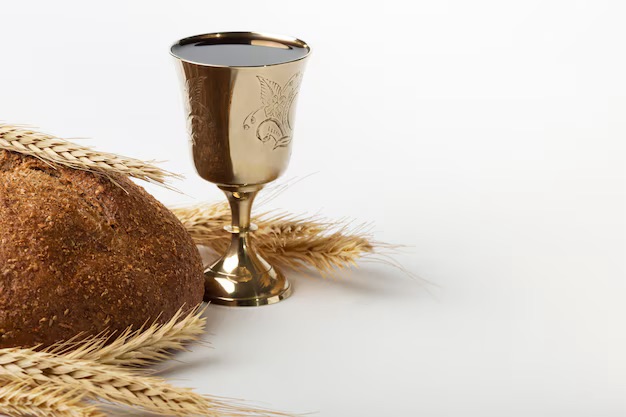
Whatever you call it—Eucharist, The Lord’s Supper, Holy Communion—each time we participate in this sacrament we are meant to be reminded of everything Jesus went through for our salvation and the salvation of the world as well as remember and receive the gift of Jesus’s presence with us here and now. We take the time to remember it is all about Jesus and how he calls us to be like him.
As I was making the visits this month, I found myself speaking about Jesus sitting down with his disciples. Think about it. Those he surrounded himself by included greedy, brown-nosing, loud mouthed, tax collectors, formerly demon possessed, and other broken, fallen, sinful people. The point is not just who is present at the table, the point is to remember who Jesus calls to be in his presence.
Notice how, no matter how the rest of the world views the people Jesus calls, nothing changes his mind about their need for redemption, their need for grace, their need for salvation.
Think about it. We are not truly defined by how the world sees us, we are defined by how Jesus sees us and transforms us. Jesus brings people into his presence, and because of his presence we all leave transformed. This is the gift of Jesus. He works in us and through us to make us whole, and to transform us into his image.
Each time I mentioned this reality, the people who were present for communion said they needed to hear these words today.
One of the best parts of this time of taking Communion was visiting a 104 year old woman with dementia. Each time I visit her, I always ask if she remembers me. It is a gift of grace, she remembers me as the minister who brings her communion. I am always filled with awe at how God helps her know why I am visiting that day.
After I sat down and we were visiting, I talked about Communion and prayed over the elements, she continued to pause. Then, she offered the sweetest prayer for pastors and herself.
I sat there quietly. I was in awe. What a gift she was to me, this day.
Yes, there may be so much going on in our world, and in our work. But the reality is God’s presence changes people and situations. Those who Jesus calls, and those who receive his grace, he transforms.
Because of Jesus, we too can experience the transforming, reconciling, forgiving, healing power of his presence and grace. It’s really not about what we have done to bring us into Jesus’s presence, it is about what Jesus does in us and through us as we share his grace with the world.
May we always be open to stay focused on Jesus, be in awe over everything he does, and watch how he is bringing people together in ways only God can do. Then, watch how the Holy Spirit of God changes you in order for you to be the best representative of Jesus this world needs.
How we read the Bible impacts what we notice. For example, do we pay attention to the possible time frame between some of the verses? This three part video series should help us see a larger scope of the narrative to see how God may be shaping us.
What trends do you remember it seemed like everyone wanted to do? Remember the man-bun? What about when tattoos became a big deal? Or piercing certain parts of the body? Do you ever find yourself asking how to make sure people will notice you? How about trying to figure out who you are, or who you want to be portrayed as in the public?
I don’t know about you, but I will hear something to the effect of “I want to be my own person.” What happens? This person seeks out the latest trends to be relevant and cool because we all want to feel like we belong and have a group to live life with. The issue is this kind of thinking, and way of life, is completely dependent on what is happening in society. In no way does this kind of thinking make a person unique.
From what I can see, all of this stems from an attitude of rebelliousness that people do not want to conform to what’s around them. What ends ups happening, though, is we end up having too many “non-conforming conformists” that do not stand out in any way. In fact, many people will just ignore these non-conforming people because nothing really stands out.
With that said, there are many other ways we can stand out, make a name for ourselves, rebel against the culture, and get people to notice you.
Here are some things I have thought of that would make you a real “rebel” in our culture today.
In a world with instant access to information, seek to understand the information rather than just seek the knowledge. In other words, let the information seep into your brain and way of thinking so you are shaped by wisdom and understanding rather than just trying to make yourself seem smarter for the moment.
Find ways to ask good questions. We cannot know everything and there is nothing wrong with that. What would happen if we got over not having to know everything and simply ask questions?
Do good to others for their sake rather than just what you would get out of helping.
Read. Constantly learn.
Write. Practice the written language. Journal your day. Learn how to communicate using the power of written (or typed) words.
Be willing to not take shortcuts. Do the work. Go the extra mile.
Let people evaluate and assist in your work.
Don’t worry about people not liking you for being a great employee or leader. Stand out anyway because the world needs people to be change players more than people who sit on the sidelines.
Look for the beauty in the world rather than just what’s wrong.
Seek the spiritual side of life instead of just focusing on what we can physically and tangibly see.
Really want to be a rebel? Follow Jesus. Read the Bible. Learn his teachings.
What else do you think should be added? What are some ways you are living a “rebel” life?
I’m not sure why I haven’t noticed this before. It was only when a heard someone say, “look at all the plaid” when they saw all the children in worship. I looked around, and sure enough, most of the children were all dressed in plaid. And they looked cute in their Christmas colors.
Then I got to thinking about the different designs of plaid and the different color combinations. It really is pretty cool to see all the ways plaid can create combinations. So, is there something we can learn from, or pay attention to, when we see the plaid all around us?
Look at the colors. Look at the designs. Look at the material used.
If we want to look at all of this theologically, we can see God’s work and the work of humanity. God’s work is in making the different colors and by gifting humanity with the creativity to make things. This goes back to Genesis 1:27 when God gave humanity dominion to be stewards of the earth. In other words, humans use what God has given to shape and form the earth into something humanity can survive and thrive. All of this is because of God’s blessings.
The same is true for the gift of salvation. In a world where we fight about differences of thought of how we obtain salvation, we have to remember everything begins with God. Salvation is not possible without the work and presence of God. What role does humanity have?
Humanity has the opportunity to work with God to bring about good things. It is in cooperation with the presence of God do we see humanity truly flourish and do great things. The Apostle Paul even says to “work out your salvation” (Philippians 3) to teach we have to learn how to live in the gift of salvation God gives.
We cannot do anything to earn salvation. Jesus is the source of salvation. At the same time, we see Jesus (a human and also God) playing a role in salvation with God (on the life, death, resurrection, and ascension). This role of humanity and God working together to create something beautiful is what we should be about.
Even certain colors we may not like can still look pretty with other colors. Even patterns we may not use in everyday life may look good on other people. This is a great gift Christmas brings. A human baby (God-in-flesh) coming to earth, to be with humanity and showing humanity a new way to live and focus our lives.
I pray you can see how God is working in and through and around your life to reveal the beauty of salvation and the gift of his coming. May you be filled with the wonderment of God gifting humanity salvation and the creativity to live and reveal the working of God and the expansion of the Kingdom of Heaven all around us.
When was the last time you remember the Holy Spirit speaking to you through the scripture? If it’s been recently, what was your reaction? Did you obey the words/message?
If it’s been awhile, or never, I have a some questions. How often do you read the Bible? How do you prepare your heart and mind to read the Bible? Do you look for the passages you know? Do you rush through the reading? Studies have shown that reading the scriptures a minimum of four times per week is what it takes for mental transformation to occur, for the scriptures to have a bigger impact on your life.
As you continue to think through the above questions, I wanted to recommend a few resources to help us all make the reading/listening of scripture a priority in our lives. It is through the pages of the Bible, we can learn more about the person of Jesus Christ, who points us to God. We are also open to the voice and Spirit of God speaking to us through the words that have transformed more people than any other book in human history.
Number 1, I invite you to take time each day. Find some part of your day that has the fewest interruptions, the longest space you can offer, and use this time to read/listen to the scripture. I would also recommend setting this at a specific time each day to help with consistency.
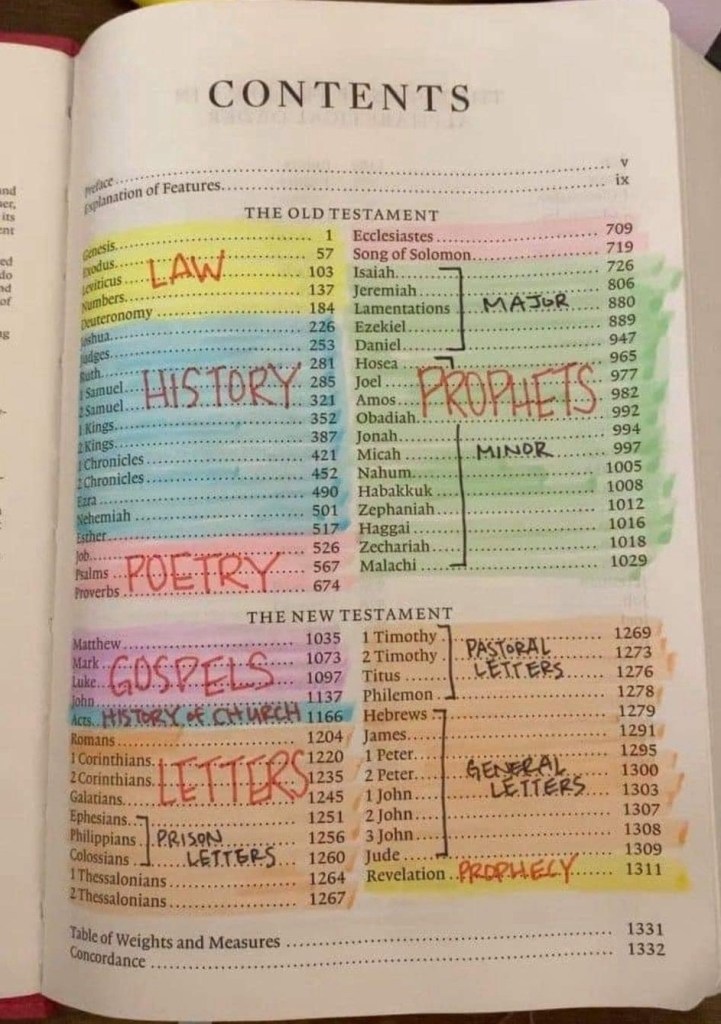
Where should you begin? That could depend on the type of literature you like to read (i.e. poetry, wisdom sayings, legal, letters, narrative, apocalyptic, etc.) You can easily start with what style of writing you like to read.
You can also begin with one of the Gospels (Matthew, Mark, Luke, John) in the New Testament. I would recommend Mark first because t is the shortest and then you can see some continuity in Matthew as Luke. From this point just keep reading.
Read as little as 1-5 verses, 5 minutes, or how ever long you can commit to each day. The point is to make it part of your daily rhythm. The YouVersion Bible app can be a great help with this, plus you can use the audio feature on many translations to have it read to you.
Number 2, find someone to read with and talk about what you read. This is a great exercise for couples.
Number 3, find some devotionals to help you read through smaller chunk of scripture and then read through some daily thoughts. There are many to choose from. Some good app examples include: Pray As You Go, Daily Prayer, Daily Office.
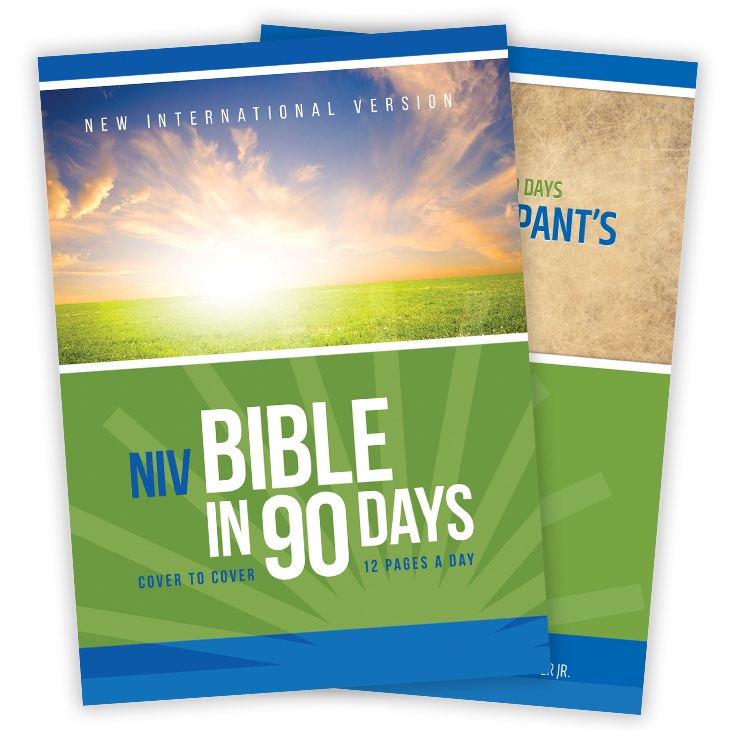
Number 4, join or begin a Bible Study. A good example could be to take the 90 Day Bible Reading Challenge, and then talk about the readings for the week with the group.
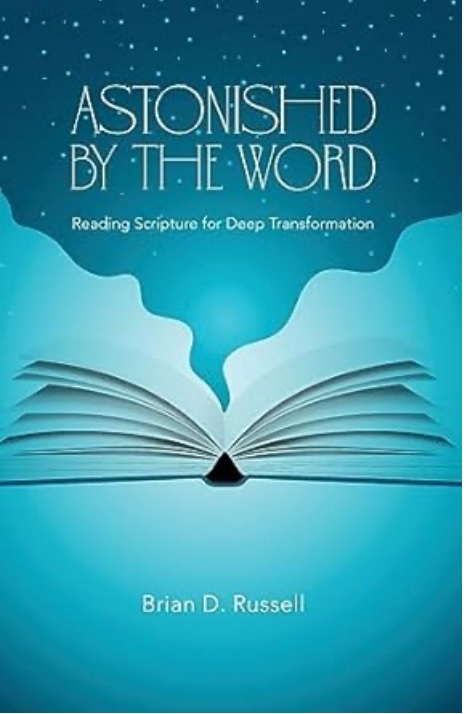
Number 5, there are plenty of resources to help you understand how to begin reading the Bible. One such resource is something I recently finished reading is called Astonished by the Word by Brian Russell. I would highly recommend this.
There are many ways to get started. The founder of the Methodist Movement, John Wesley, spoke and wrote about reading and studying scripture as a “means of grace.” As we take time to study/read scripture, we are using a means by which God speaks, through the Holy Spirit, to the people. Through the words of scripture, we begin to experience and remember the grace God has bestowed upon the people.
Another is example is what I am currently doing to dive into scripture. Each day, I begin with handwriting a chapter. So far I have completed a few Old Testament books as well as several New Testament books. I believe I’ll be finished in a couple years. This has been an incredible journey for me personally because I read the scripture and then see it in my own handwriting.
I am praying for you in the journey to be transformed by scripture. May the grace and peace of God guide and be with you always.
Matthew 16 depicts a conversation between Jesus and his disciples. Along the way, they are asked, “Who do people say I [Jesus] am?” And “Who you you say I [Jesus] am?” This is a very important question for us to be able to answer, but is there another question, from this passage, that will change our life, maybe even our perspective?
I invite you to listen to this short (3 minute) video to hear the question. I would also love to hear your thoughts, maybe even how you would answer the question.
October 31, 1517 is the day Martin Luther nailed his 95 Theses on the doors of Castle Church at Wittenberg. It was the beginning of what we call the Protestant Reformation.
Here we are, 506 years after this historic day and we still continue to be renewed and reformed in our faith. There is so much that divides us. So much we place our opinions and beliefs in. We continue to argue over orthodoxy (right belief) and orthopraxy (right practice). In other words we are very concerned about the how to live out our faith and how to have a relationship with God through Jesus Christ that we end up labeling people as wrong if their beliefs do not align with ours.
I would like to ask us to think about a particular word this Reformation Day, and each day after. As I think about the Reformation, today, I realize it is truly about unity.
Unity because:
We need to be united with God, through the life, death, and resurrection of Jesus Christ. We need to be united in his message and life to reveal the kingdom of Heaven all around us.
When we find ways to be united with God, we begin to have more awe of the majesty of our Creator and we keep God at the right place, above everything and everyone. Our reverence for God, our holy fear, should be a distinguishing mark among Christians to display, live into, and live out the holy love of God.
Living a life of holy love means we are seeking to restore the broken relationship with humanity, ourselves, with God, and with all of creation.
Reformation is a time of uniting us under the umbrella of God’s holy love. Now our challenge is to live this out so the world can see what Christians, followers of Jesus Christ, stand for more so than what we are against.
We are for the world knowing and living into the love and presence of the Almighty God.
We are for the world knowing and living into the forgiveness God offers through Jesus Christ.
We are for the world being remade into the likeness and image of Jesus Christ.
We are for the world living in abundance and peace.
We are for the world seeking the presence and peace God brings in each and every situation.
We are for the world paying attention to the movement of the Holy Spirit.
We are for the world knowing the incredible worth God has placed in them when God sent Jesus Christ to be the Savior of the world.
We are for the world living out all of this, and so much more, so everything is done “on earth as it is in heaven.”
We are for so much. Maybe this Reformation Day we look at the ways God is bringing healing, hope, reconciliation, reformation, unity to the world that is desperately seeking to be healed and whole by the salve the holy love of God brings.
May we all live our lives in such a way that the world will see, experience, and know the incredible transforming love and grace God offers through Jesus Christ and empowers us with the Holy Spirit.
Recently, I gave a benediction in worship that used the phrase, “May you have Holy Discontent…”. A few people asked if they heard me correctly. They did.
Context. A few years ago, I heard this “non-traditional” blessing, and it stuck with me:
May God bless you with discontent with easy answers, half-truths, superficial relationships, so that you will live from deep within your heart.
May God bless you with anger at injustice, oppression, abuse, and exploitation of people, so that you will work for justice, equality, and peace.
May God bless you with tears to shed for those who suffer from pain, rejection, starvation and war, so that you will reach out your hand to comfort them and to change their pain to joy.
May God bless you with the foolishness to think you can make a difference in this world, so that you will do the things which others tell you cannot be done.
This blessing has stuck out in my mind because I have come to understand, as followers of Jesus Christ, our hearts should break for the world, as does Christ’s. If we are becoming like Jesus, we should grieve and be unsettled at the events and state of the world around us. This means we should expect the “blessing” of discomfort and discontent.
This really is a blessing because we get to see the world in its broken, hurting, helpless state AND we get to see the work of God and the presence of God in the midst of suffering and turmoil. Because of the blessing of discomfort, we get to experience the leading of the Holy Spirit guiding us to do something, with him, for the sake of the Kingdom of Heaven and the world around us (…on earth as it is in heaven…).
Our mission should always to seek to leave the world better than when we came into it. We should never be complacent or indifferent to the needs around us. We should always be striving for the Kingdom of Heaven and all its glory all around us.
Now, I do say “holy” discontent because this is a sense of completeness, of perfection. This is God’s perfect love filling us so we have the complete, whole, holy mindset of God as we go into the world. It is only by the grace God gives, the power and presence God gives, and the abilities God gives through the Holy Spirit we are able to be part of this mission and make an impact that will last into eternity.
So once again, “May you be blessed with Holy Discontent until you step out in faith and reach a world in need.”
I’d love to hear how God is using you and what you are doing for the transformation of the world to be more like the Kingdom of Heaven.
Let’s pray together, the prayer that Jesus taught his disciples, and the Wesley Covenant Renewal Prayer, together.
Our Father who art in heaven, hallowed be thy name, thy kingdom come, thy will be done on earth as it is in heaven. Give us this day our daily bread; and forgive us our trespasses as we forgive those who trespass against us. And lead us not into temptation, but deliver us from evil, for thine is the kingdom, and the power and the glory forever. Amen.
“I am no longer my own, but thine. Put me to what thou wilt, rank me with whom thou wilt. Put me to doing, put me to suffering. Let me be employed by thee or laid aside for thee, exalted for thee or brought low for thee. Let me be full, let me be empty. Let me have all things, let me have nothing. I freely and heartily yield all things to thy pleasure and disposal. And now, O glorious and blessed God, Father, Son, and Holy Spirit, thou art mine, and I am thine. So be it. And the covenant which I have made on earth, let it be ratified in heaven. Amen.”












 R Y A N S T R A T T O N