
The article emphasizes that justice is a foundational aspect of the Christian faith, transcending mere punishment to focus on restoration and mercy. It highlights the necessity of acting justly and loving mercy simultaneously, urging believers to actively address injustice, engage in community service, and embody faith through compassionate actions, reflecting Christ’s example.
Monthly Archives: June 2025
Why Christians Must Remember Their Identity and Purpose in a Divided World
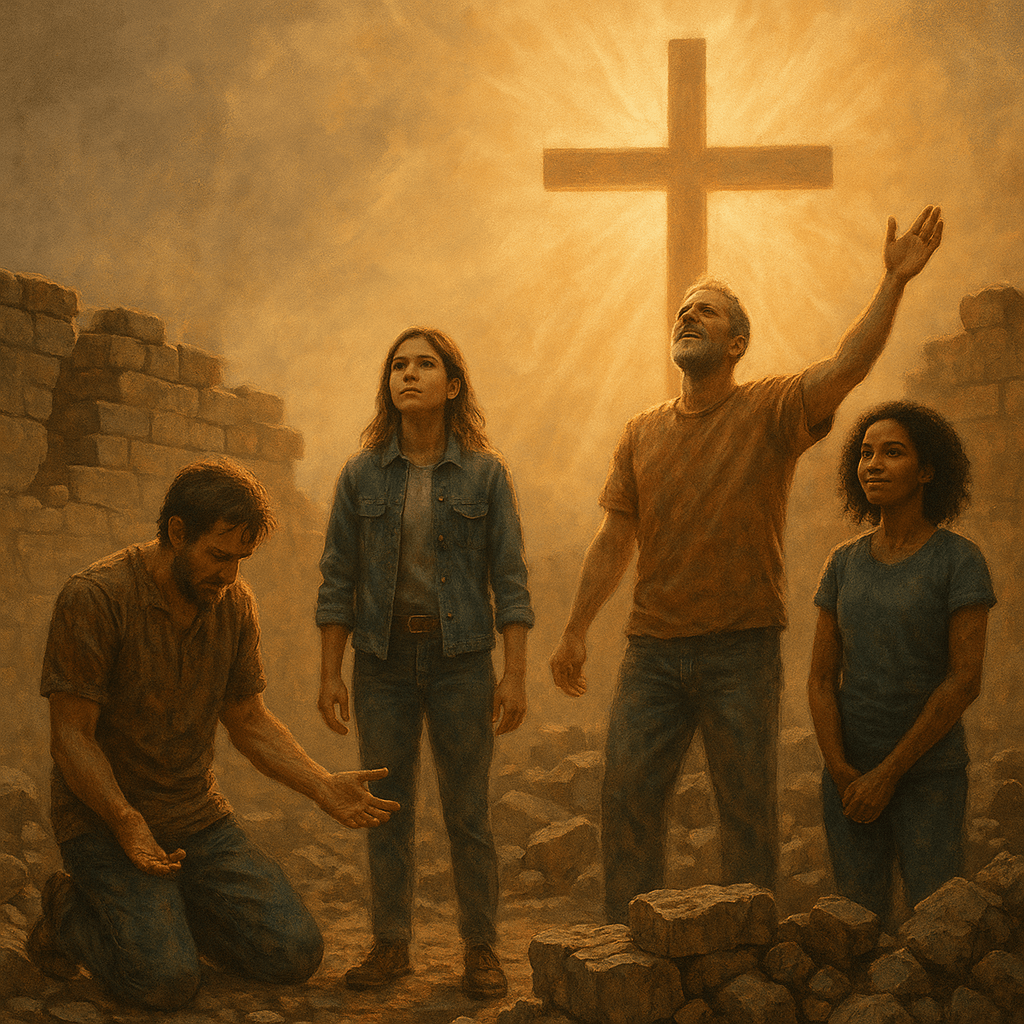
Have we forgotten who we are and why we’re here? In a world increasingly marked by division and pride, this post calls us back to the truth of our identity in Christ. When we remember where we’ve come from and the grace we’ve received, we can tear down the walls between us and love others the way God loves us. It’s time to rediscover our purpose—and live it out with humility, unity, and love.
You Are the Light: How Christians Can Impact the World
The content emphasizes the importance of small acts of kindness and faith in a world filled with chaos and despair. It highlights biblical figures who made significant impacts despite their doubts, urging Christians to accept their roles as difference-makers. Each small action contributes to hope, encouraging believers to serve and spread love in their communities.
A Call for Love and Compassion
A heartfelt Christian reflection on the state of our nation, the fear driving our division, and the urgent call to repentance, healing, and love through Jesus Christ.
The Gospel Keeps Moving Forward (Acts 28:17-31)
The Book of Acts highlights the pivotal role of the Holy Spirit in guiding and empowering early Christians, especially through the journey of Paul. The narrative reflects on overcoming hardships and embracing hope. While Acts concludes abruptly, it signifies that God’s mission continues, inviting believers to be part of the ongoing story of transformation.
Bringing Them In (Acts 15:6-21)
Reformation Day, celebrated on October 31, marks Martin Luther’s pivotal Ninety-Five Theses in 1517, igniting a transformative movement within Christianity. This led to greater access to Scriptures, worship in native languages, and a theological shift towards inclusivity. The early Church grappled with the balance between tradition and embracing all believers through grace, emphasizing the importance of welcoming everyone without barriers.
 R Y A N S T R A T T O N